BUILDING A MALAWI THAT CARES FOR ALL
15.1 Overview
Malawi’s social welfare system is the foundation for ensuring that no one is
left behind in the pursuit of national development. Social safety nets, support
for vulnerable populations, and inclusive services are essential for addressing
inequalities and creating a society where every citizen can thrive. Despite Malawi’s
aspirations, the current social welfare infrastructure is inadequate, fragmented, and
underfunded, leaving many of the country’s most vulnerable without the support
they need.
Challenges in the Social Welfare Sector:
- Blind and indifferent leadership: abandoning the elderly, vulnerable, and
orphaned, failing to provide the social welfare, support services and solutions they
desperately need. - Poverty and Inequality: Over half of Malawians live below the poverty line, with
rural areas disproportionately affected. - Inadequate Social Protection: Existing programs, such as cash transfers, are
limited in scope and fail to cover all vulnerable groups. - Lack of Inclusive Services: Persons with disabilities, the elderly, and orphans often
lack access to necessary support services - Fragmented Implementation: Poor coordination among government agencies,
donors and NGOs undermines the effectiveness of welfare initiatives. - Funding Constraints: Heavy reliance on donor support and insufficient
government budget allocations hinder sustainability. - Large Orphan Population: 10% of Malawi’s population are orphaned or live with a
single parent, often in child- or elderly-headed households. Many rely on private
orphanages that depend on NGO funding, while others face inadequate care
and systemic gaps in welfare services. Some vulnerable children end up on the
streets, facing exploitation and abuse, highlighting the need for urgent reforms.
Aligned with MW2063’s Inclusive Wealth Creation Pillar and enablers such as
Governance and Human Capital Development, UTM’s social welfare agenda will
focus on creating a safety net that empowers and uplifts Malawi’s most vulnerable
citizens.
15.2 Target Milestones:
By 2030, UTM aims to reduce poverty levels by 40% through expanded social safety
nets and inclusive programs and ensure 90% of vulnerable populations, including
persons with disabilities and the elderly, are covered by social welfare services.
Digitize 100% of social welfare programs for efficiency and transparency.
15.3 UTM Pledges: Transforming Social Welfare
15.3.1 Expanding Social Safety Nets
Alignment with MW2063: Advances Inclusive Wealth Creation by reducing poverty
and inequality.
UTM Pledges:
- Universal Cash Transfers: Upgrade universal cash transfers targeting the
elderly and persons with disabilities, ensuring equity and efficiency in reaching
Malawi’s most vulnerable over the less reliant
Poverty Targeting cash transfer. - Reforming Archaic Adoption Laws: Modernize
Malawi’s adoption laws to streamline processes,
ensure child safety, and increase opportunities
for orphans to find loving homes. Benefits
include faster placements, reduced legal
complexities, and enhanced post-adoption
support measures. - UTM will introduce an expanded Boys and Girls
Scouts program, aimed at teaching life skills
to vulnerable children, instilling discipline, and
empowering them to overcome challenges

15.3.2 Supporting Vulnerable Groups
Alignment with MW2063: Supports Human Capital Development by investing in
inclusive social systems.
UTM Pledges:
- Disability Services: Develop fully funded programs to provide assistive devices,
inclusive education, and employment opportunities for persons with disabilities. - Elderly Care: Establish community-based care centers and strengthen pension
schemes to ensure the elderly live with dignity and support. - Orphans and Vulnerable Children: Strengthen foster care systems, provide free
education and healthcare, and create skills development programs for youth
aging out of care.
15.3.3 Empowering Women and Girls
Alignment with MW2063: Fosters Governance and Human Capital Development by
promoting gender equity.
UTM Pledges: - Addressing Gender-Based Violence: Strengthen response mechanisms, including
victim support units and shelters. - Economic Empowerment Programs: Launch initiatives to provide women with
access to training, co-operatives participation, and market opportunities.
15.3.4 Digitizing Social Welfare Services
Alignment with MW2063: Leverages Technology Adoption to streamline social
service delivery.
UTM Pledges: - Unified Beneficiary
Database: Develop a
centralized, digitized system
linked to National IDs/
SSUIN to track and manage
social welfare beneficiaries
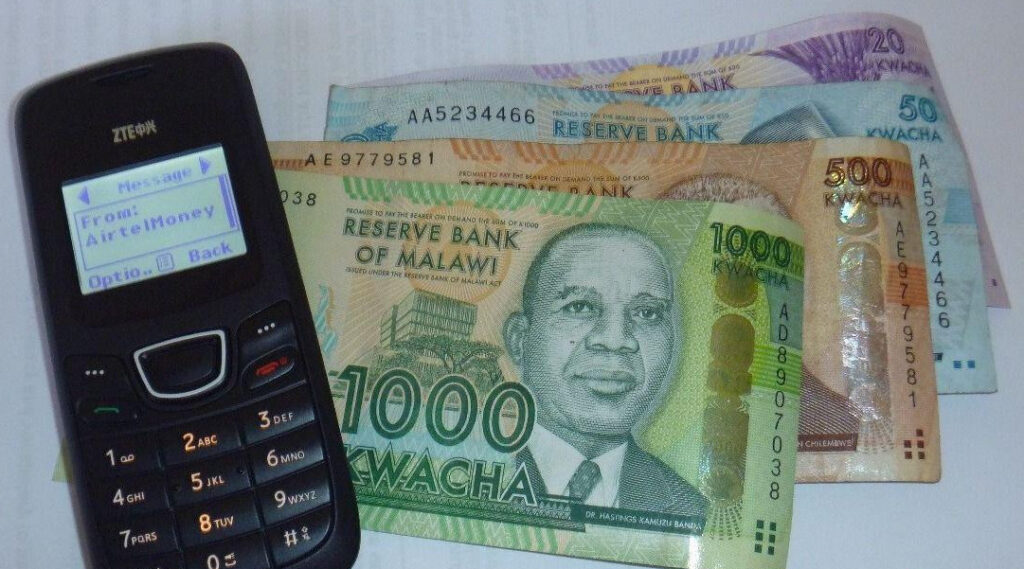
effectively. - Mobile Cash Transfers:
Introduce mobile-based
cash transfer systems to
ensure timely and efficient
distribution of funds
15.3.5 Strengthening Institutional Capacity
Alignment with MW2063: Enhances Governance by building institutional
frameworks for effective service delivery.
UTM Pledges:
- Capacity Building: Train social welfare officers in modern practices and resource
management. - Community-Based Approaches: Collaborate with local leaders to identify needs
and implement community-driven solutions. - Partnerships: Strengthen collaborations with NGOs, faith-based organizations,
and international partners to expand the reach of social welfare programs.
15.4 Estimated Investments and Funding Mechanisms
Funding Models: - National Budget Allocation: Dedicate 3% of the annual budget to social welfare
programs. - Donor Grants: Collaborate with international development partners to secure
funding for targeted interventions. - Public-Private Partnerships: Engage private sector players in co-funding
community-based welfare programs. - Social Impact Bonds: Explore innovative financing mechanisms that link funding
to measurable social outcomes. - Malawi Defense Force Participation: The Malawi Defense Force will play a key role
in the expanded Boys and Girls Scouts Program, focusing on instilling discipline,
leadership skills, and life-saving techniques among orphaned and vulnerable
children.
Conclusion
Social welfare is the cornerstone of a just and equitable society. By addressing
the needs of the most vulnerable, UTM aims to build a Malawi where everyone is
assured of dignity and care. Aligned with MW2063’s Inclusive Wealth Creation and
Human Capital Development goals, these reforms will reduce poverty, enhance
social equity, and foster national cohesion.
Under UTM’s leadership, Malawi will move toward a future where no one is left
behind. Together, we will create a safety net that protects, empowers, and uplifts all
Malawians.