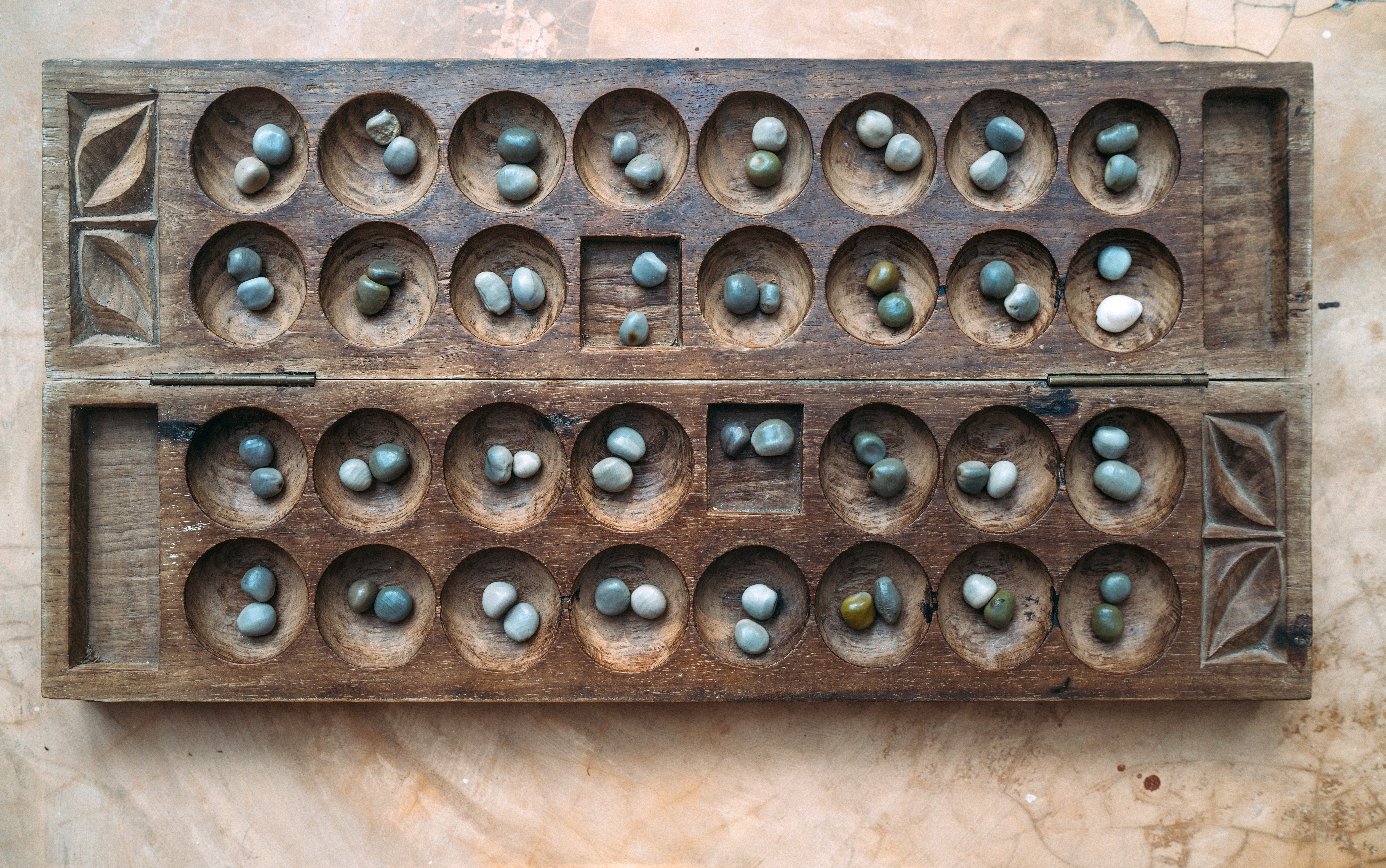
BUILDING A STRONG NATIONAL IDENTITY THROUGH ARTS AND
CULTURE
22.1 Introduction
Arts and culture are the soul of a nation, reflecting its identity, values, and
aspirations. For Malawi, our rich cultural heritage and creative potential are
untapped resources waiting to fuel national unity, pride, and economic growth.
Globally, cultural industries contribute significantly to GDP and employment, yet
Malawi has not fully leveraged its artistic talents, historical wealth, and cultural
diversity to create meaningful impact.
Decades of underinvestment have stifled arts and culture, leaving artists and
cultural practitioners without the support they need to thrive. Politicization of tribal
and cultural gatherings has also hindered unity. Unlike the globally celebrated
Maasai of Kenya or the Zulus of South Africa, Malawi’s cultural events and traditions
lack the investment and structure necessary to gain global recognition.
Challenges in Malawi’s Arts and Culture Sector
- Lack of Infrastructure: Limited access to modern theaters, art galleries, and
creative spaces restricts artistic growth. - Underdeveloped Creative Economy: Malawian cultural goods, such as music,
crafts, and films, lack adequate marketing and export support.
Neglect of Cultural Education: Arts and culture are not integrated into curricula,
depriving youth of creative skill development.
- Preservation Gaps: Archives, museums, and historical sites face neglect, risking
the loss of Malawi’s cultural heritage. - Limited Recognition of the Arts: Artists struggle for recognition, fair pay, and
access to platforms, leaving many unable to sustain their work.
Aligned with MW2063’s Human Capital Development Pillar and enablers such as
Governance and Private Sector Dynamism, UTM recognizes the transformative
potential of arts and culture. By investing in creative industries and celebrating our
heritage, we will foster national pride, unity, and sustainable economic growth.
22.2 Target Milestones
- By 2030: Establish at least one cultural center in every district.
- By 2030: Achieve 80% digitization of Malawi’s archives and museums.
- By 2035: Create 1 million new jobs in creative industries.
- By 2035: Double cultural tourism revenue and integrate culture into Malawi’s
development agenda.
22.3 UTM Pledges: Transforming Arts and Culture
22.3.1 Preserving and Promoting National Identity - Cultural Centers: Build and revitalize cultural hubs in every district to showcase local traditions, crafts, music, and cuisine, creating centers of cultural and economic activity.
- Archives and Museums:
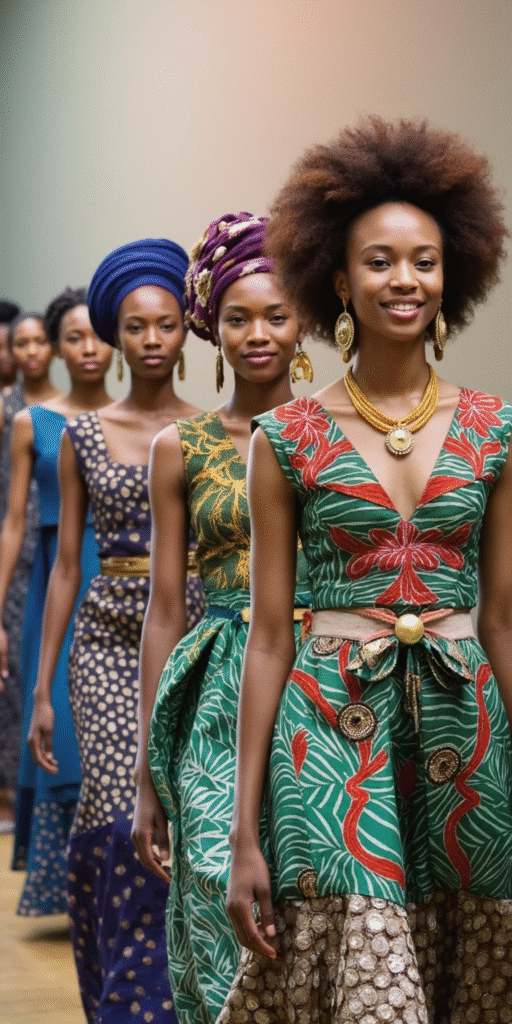
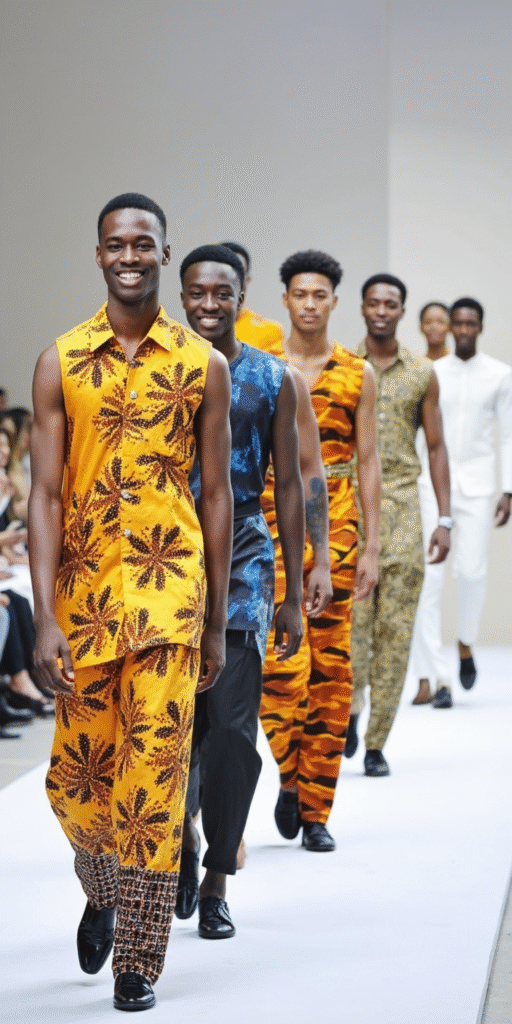
Modernize and digitize national archives, museums, and historical sites to preserve Malawi’s history and make it accessible to all. - Traditional Wear: Promote the wearing of traditional attire during Independence Day celebrations and official events to boost textile industries and national pride
22.3.2 Investing in Creative Industries
- Creative Hubs: Establish state-of-the-art hubs for music, film, fashion, and digital
arts, providing access to tools, training, and global networks. - Cultural Exports: Actively market Malawi’s creative goods and talent
internationally to place Malawian culture on the global stage. - International Arts Festivals: Expand and promote events like the Lake of Stars
Festival to attract tourists and showcase Malawian talent globally.
22.3.3 Integrating Arts into Education - Creative Curricula: Introduce arts, music, drama, and creative writing into school
curricula to nurture talent and inspire creativity from an early age. - Art Scholarships: Provide scholarships to young creatives to study at national and
international art schools, ensuring a skilled pipeline of cultural professionals.
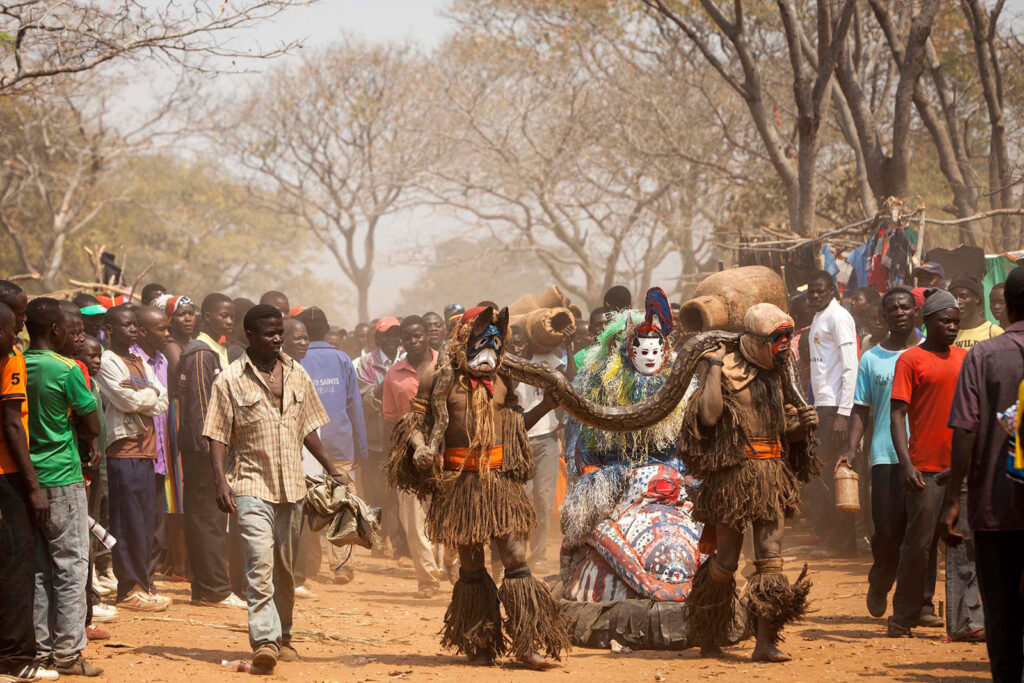
22.3.4 Driving Economic Growth through Culture - Cultural Tourism: Develop iconic tourism
destinations, such as Mua Mission, Gule Wamkulu
festivals, and Lake Malawi cultural villages, to
attract global visitors. - Traditional Craft Industries: Scale up crafts like
weaving, pottery, and wood carving, creating
sustainable livelihoods for artisans in rural areas. - Theater Development: Build regional theaters
and establish “The Du Chisiza Theatre of the
Arts” in Lilongwe to celebrate traditional and
modern performing arts.

22.3.5 Promoting Unity through Culture
- National Cultural Days: Host annual
celebrations to showcase Malawi’s regional
traditions, fostering unity and mutual respect. - Cultural Ambassadors: Appoint artists and
leaders as cultural ambassadors to represent
Malawi internationally. - Digital Storytelling: Create platforms for
preserving and sharing Malawian stories,
folklore, and oral traditions to ensure these
treasures endure for future generations
22.4 Estimated Investments and Funding Mechanisms
Estimated Investment: $1 billion over the next decade to fund Malawian Arts and
Culture
Proposed Funding Sources:
- National Budget Allocation: Dedicate 3% of the national budget to arts and
culture development. - Public-Private Partnerships (PPPs): Partner with private entities to co-fund
cultural centers, theaters, and festivals. - Diaspora Bonds: Mobilize investments from Malawians abroad for cultural
preservation projects. - Cultural Impact Bonds: Use innovative funding tied to measurable growth in
tourism and creative industries. - International Grants: Secure funding from UNESCO, the African Development
Bank, and other global partners for cultural projects. - Private Sector Participation: Incentivize the Private Sector to fund Arts and Culture
as part of Tourism Business.
Conclusion: UTM’s Vision for Arts and Culture
UTM envisions a Malawi where arts and culture are central to national pride and
economic growth. Aligned with MW2063’s Human Capital Development Pillar and
enablers such as Technology Adoption, UTM is committed to making arts and
culture a cornerstone of Malawi’s development.
Through bold investments, cultural preservation, and global promotion, we will
foster a united, creative, and prosperous Malawi. Together, under UTM leadership,
we will ensure that future generations inherit a Malawi rich in cultural pride and
innovation—a nation whose stories, art, and traditions resonate worldwide.