
19.1 Opening
Just as we need air, water, food, sleep, and clothing, shelter or housing is one of
the most fundamental physiological human needs. Yet, millions of Malawians
still lack access to decent, affordable homes, with the dream of homeownership
seemingly unattainable. The United Transformation Movement (UTM), under the
leadership of Dalitso Kabambe, is committed to transforming the housing sector
by introducing and implementing the Ministry of Housing and Habitat. This new
ministry will spearhead a large-scale Social Housing Agenda, ensuring dignified
living conditions and creating a clear path to affordable, decent homes for all
hardworking Malawians.
19.2 Challenges in Malawi’s Housing Sector
- A conventional, unperceptive, and sleepwalking leadership: lacking the vision
and capacity to recognize the importance of shelter and embrace the future of
housing and habitat solutions in a rapidly evolving world. - High Bank Lending Rates: Making mortgage financing inaccessible for most
Malawians. - Corrupt Land Allocation: Favoritism, corruption, and illegal sales making land
acquisition difficult. - Fraudulent Land Sales: Cases of multiple sales of a single plot leading to legal
- disputes.
- Lack of Government Investment: Limited commitment to affordable housing
projects. - Unstructured Urban Expansion: Leading to unplanned settlements without basic
infrastructure. - Unplanned peri-urban and rural Malawi making it hard for a government to offer
services. - The absence of Sectional Title laws has stalled property development for
decades, limiting growth and investment in the sector, and home ownership in
the process.
19.3 Alignment with MW2063
UTM’s Social Housing Agenda aligns with Malawi 2063 (MW2063) by promoting
urbanization through planned, modern developments, fostering private sectorled growth via investment incentives, and advancing human capital development
by ensuring access to stable housing that enhances education, health, and
productivity. Additionally, the agenda emphasizes environmental sustainability by
integrating green technologies like solar energy and efficient waste management,
while driving a mindset change that shifts communities from informal settlements
to well-organized, dignified living spaces.
19.4 UTM Target Milestones
By 2030, UTM, through the new Ministry of Housing and Habitat, pledges to:
- Construct 500,000 new homes across Malawi.
- Overhaul Malawi Housing Corporation (MHC) with $4 billion investment over five
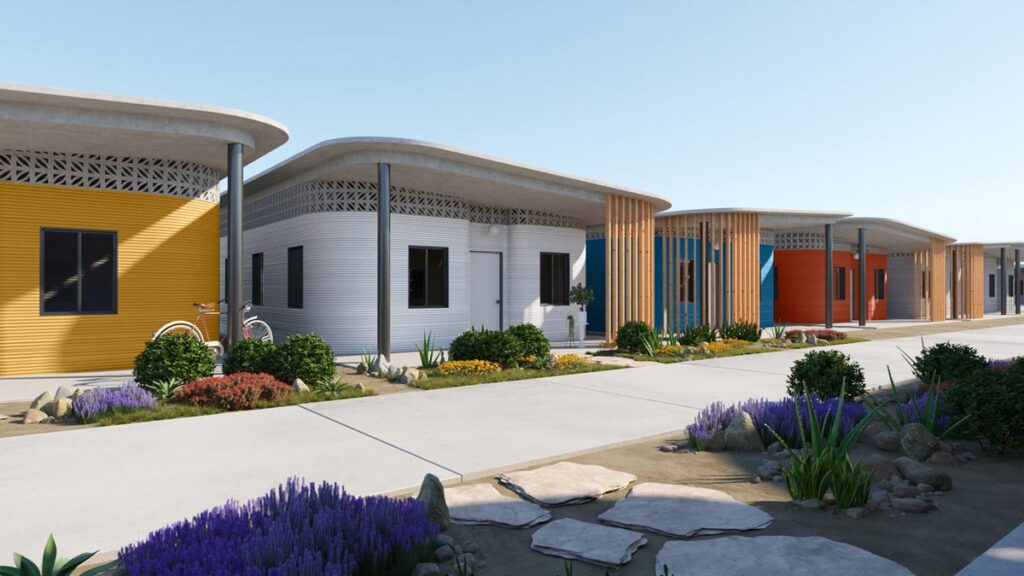
years. - Develop affordable, modern, eco-friendly housing estates with solar power, WiFi, green spaces, and smart infrastructure.
- Establish new urban and semi-urban townships, integrating schools, clinics, and
commercial hubs.
9.5 UTM Pledges and Their Benefits
Modern Affordable Housing: High-rise flats, civil servant housing, and mixedincome projects.
- Job Creation and Skills Training: Stable jobs for builders, electricians, and
plumbers while enhancing technical training programs. - Economic Growth: Boosting Property Developers, construction companies, formal
employment, and the supply chain for building materials. - Urban Development: Well-organized residential areas with essential services and
green spaces. - Improved Livelihoods: Safer and healthier living environments fostering strong
communities.
19.6 Policy and Governance Reforms
- Establish a National Housing Authority (NHA): A government agency or PPP
to oversee mass housing development within the main Malawi Development
Agency (MDA) together with the District Development Agencies (DDA’s.) - Land Reforms and Urban Planning: Policies to ease land acquisition and reduce
red tape. - Fast-Track Approval Processes: One-stop housing approval centers to speed up
permits and inspections.
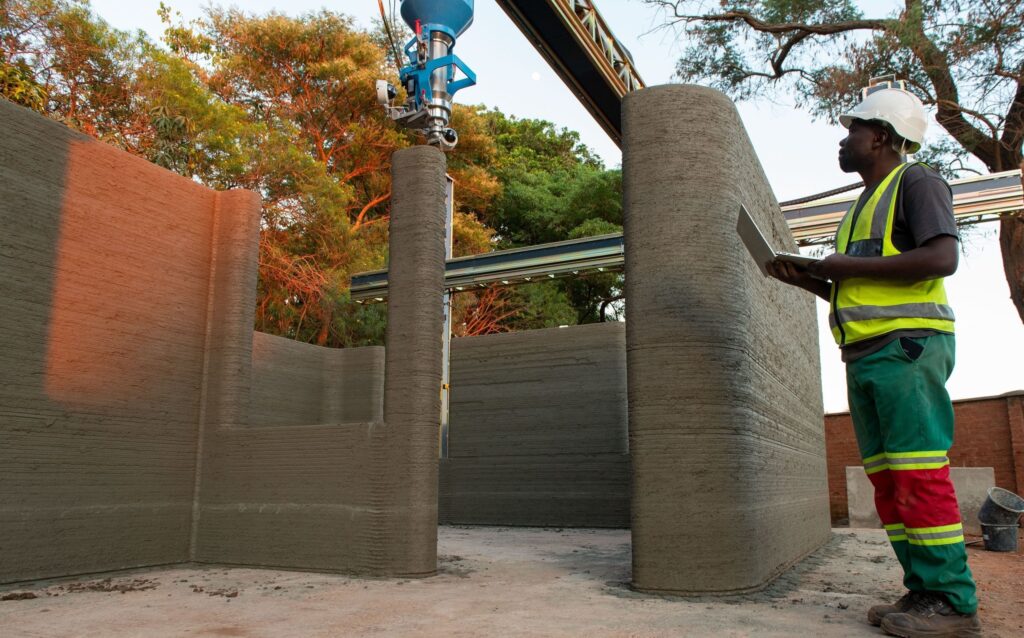
19.7 Construction and Technology - Low-Cost, High-Speed Building Technologies: We will leverage modern
construction methods such as modular housing, and 3D printing to achieve
faster and more affordable social housing solutions. Advanced 3D-printed
mud-cement structures, stabilized mud blocks (SMBs), and rammed earth with
cement stabilization will enhance strength, durability, and water resistance while
maintaining sustainability. Techniques like lime-cement mud plaster, reinforced
adobe bricks, and cob construction will further optimize affordability and thermal
efficiency, ensuring resilient, eco-friendly housing. - Mass-Scale Production of Building Materials: Establishing local factories, like
recycled rebars and H Beams, to reduce steel import dependence. - Labor & Skills Development: Launching a National Construction Training
Program within our technical colleges, to equip thousands of unskilled youth with
building and related sector skills
19.8 Targeted Housing Categories
For the first 5 years UTM aims to create over
500,000 home ownerships, with the main
categories being, but not limited to;
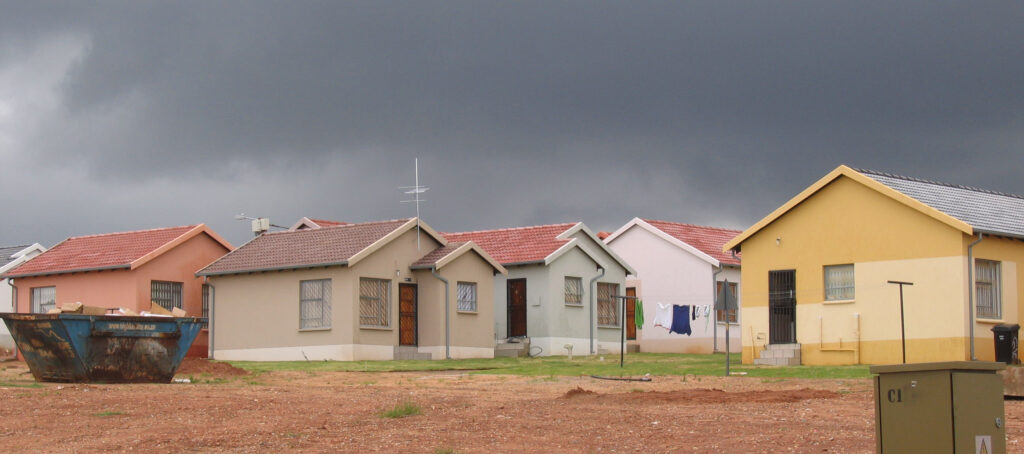
- 100,000 Homes for Public Servants: Teachers,
police officers, nurses, and civil servants. - 200,000 Affordable Homes: For low-income
earners. - 200,000 Rural Housing Units: Working with co-operatives and incentivizing
homeownership with low interest rates, and improving village housing with mixed
local and modern materials.
19.9 Infrastructure & Utilities
Some of these works to be done with other related Ministries and their allocated
budgets and funding mechanisms through the DDA’s.
- Mass solar electrification for new housing estates.
- Expansion of water supply systems through pipelines.
- Road network development linking housing projects to business hubs.
19.10 Estimated Investments and Funding Mechanisms
Estimated Investment: $15-20 billion over the next decade to provide decent
homes for hard working Malawians.
- Government Budget Allocation: Dedicate 10% of the National Budget to the
Ministry of Housing and Habitat to finance low-cost housing and green energy
adoption. - Land Management & Property Rates: With our new land management agenda,
central and local governments will be able to raise resources from ground and
city rates, creating additional revenue streams to support housing initiatives. - Foreign Direct Investment (FDI) & Public-Private Partnerships (PPPs): Attract
international investors through blended finance models combining grants,
concessional loans, and private sector investments. - Pension Funds: Engage the New Public Private Pension Investment Corporation
(PPPIC) and other SACCO’s, to invest in low-risk, long-term housing projects,
potentially through a Social Housing REIT (Real Estate Investment Trust). - Mining Concessions: Work with some of the mining companies to allocate part of
their 5% CSI, to build low cost housing settlements, in their concession areas. - Subsidies & Tax Incentives: Reduce VAT and import duties on essential housing
and green energy materials while providing tax holidays for developers engaged
in social housing. - Community Savings & Smallholder Farming Cooperatives: Working with
identified Land Consolidated cooperatives, for collective financing of low cost
housing projects and mortgages. - Diaspora Bonds & Investment Funds: Launch a Malawi Diaspora Housing Bond to
pool investments from Malawians abroad for large-scale developments. - Stock Exchange Listings: Explore and list a Social Housing Development
Company (SHDC) on the Malawi Stock Exchange (MSE) to raise funds from
institutional and retail investors – for build and sell housing projects. - Green & Housing Bonds: Issue green bonds and housing bonds to finance
sustainable, low-cost housing initiatives. - Insurance & Mortgage-Backed Securities (MBS): Collaborate with insurance firms
to offer affordable mortgage insurance and rental guarantee schemes, reducing
risks for both investors and homeowners. - NGO & Impact Investor Grants: Seek funding from World Bank’s IFC, African
Development Bank (AfDB), and international NGOs such as SolarAid &
Innovation Africa to support housing projects. - Crowdfunding & Fintech Solutions: Use digital platforms such as GoFundMe,
Kiva, and real estate crowdfunding initiatives to enable broad-based microcontributions towards housing solutions.
Conclusion
For too long, decent shelter has been out of reach for most Malawians. Previous
governments have largely ignored the housing sector, leaving many without a
place to call home. The UTM-led Housing and Habitat Agenda is a game-changer,
ensuring that millions of Malawians gain access to decent, affordable homes while
simultaneously stimulating the economy and promoting structured urbanization.
Like all our pledges, this is not just a policy—it is a transformative vision for a
better Malawi, where homeownership is within reach for those that desire it. Under
the leadership of Dalitso Kabambe and UTM, we will build a future where every
hardworking Malawian has a safe and dignified place to live. The time for bold
new ideas and decisive action is now! Together, we will transform Malawi!